
The future depends on transition minerals. Extreme weather and other climate-driven disruptions are already putting mineral supply chains and local communities at risk
Too many of the world’s transition minerals come from too few places, unusually prone to floods, droughts and other disruptions linked to climate change. Without concerted action, a vicious cycle of intensifying shocks, shrinking investment and diminishing extraction looms.
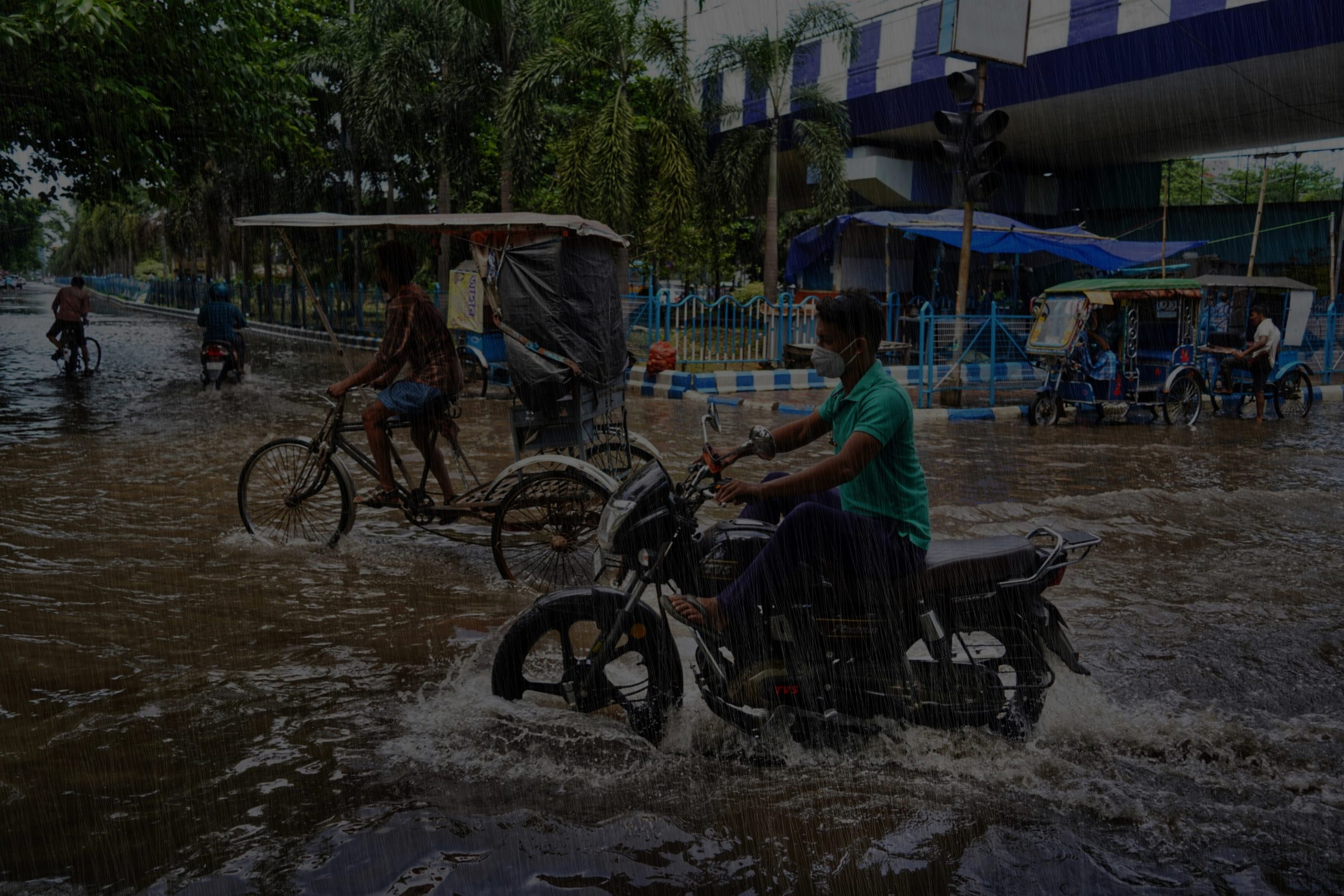
Local communities who’ve done the least to cause the climate crisis stand to pay the biggest price. Extreme weather events are disruptive enough to these communities on their own. But it’s the repercussions of the events, the cumulative risks, that ought to concern non-profits and their donors most. Extreme temperatures increase the likelihood of conflict. Droughts aggravate competition over access to water. And the list goes on.
TMP is working on a three-year initiative, funded by the Hewlett Foundation and the Quadrature Climate Foundation, to help decision-makers and communities across supply chains prepare.
Our experts focus on:

Data and market intelligence
Our bespoke data and analysis helps stakeholders understand and manage cumulative climate risk.

Local solutions
We co-fund and implement climate adaptation and resilience pilots for local communities, providing technical, financial and practical support to help them engage in fair negotiations centered on material benefits for all parties.
.svg)
Cross-sector collaboration
We convene a wide range of stakeholders including companies, investors, governments, academia and NGOs to identify shared risks and develop collaborative responses.
TMP wasn’t always focused on critical minerals. Social license, not supply chains, drove some of our earliest work on mining. We quickly discovered that many companies, particularly the majors, are more advanced in understanding the needs of communities than they often get credit for. But even as extreme weather events knocked assets offline, near-term climate change and its repercussions were being routinely overlooked.
For as long as transition minerals supply chains are so concentrated – just one mine in China produces more than half of the world’s rare earth elements, for example – climate change and its repercussions will remain an outsize threat to global efforts to decarbonize. That’s why TMP continues to make transition minerals a core focus.
TMP is always looking for partners to join us in this important work. To find out more, get in touch with our team.
94%
Proportion of key mining and processing areas analyzed by TMP that are “unusually exposed” to near-term climate change
Source: TMP
$3.7 billion
Estimated financial losses caused by climate change for a small selection of transition minerals assets in 2023 and 2024
Source: TMP based on FAO and World Bank data
15
Number of countries where TMP is working with producers, processors and consumers to initiate pathways to action



Get in touch
Ready to tackle complex challenges? Get in touch to explore how TMP can support your goals.