
Climate change is here. So is the global public debt crisis. TMP is developing innovative solutions to tackle both challenges
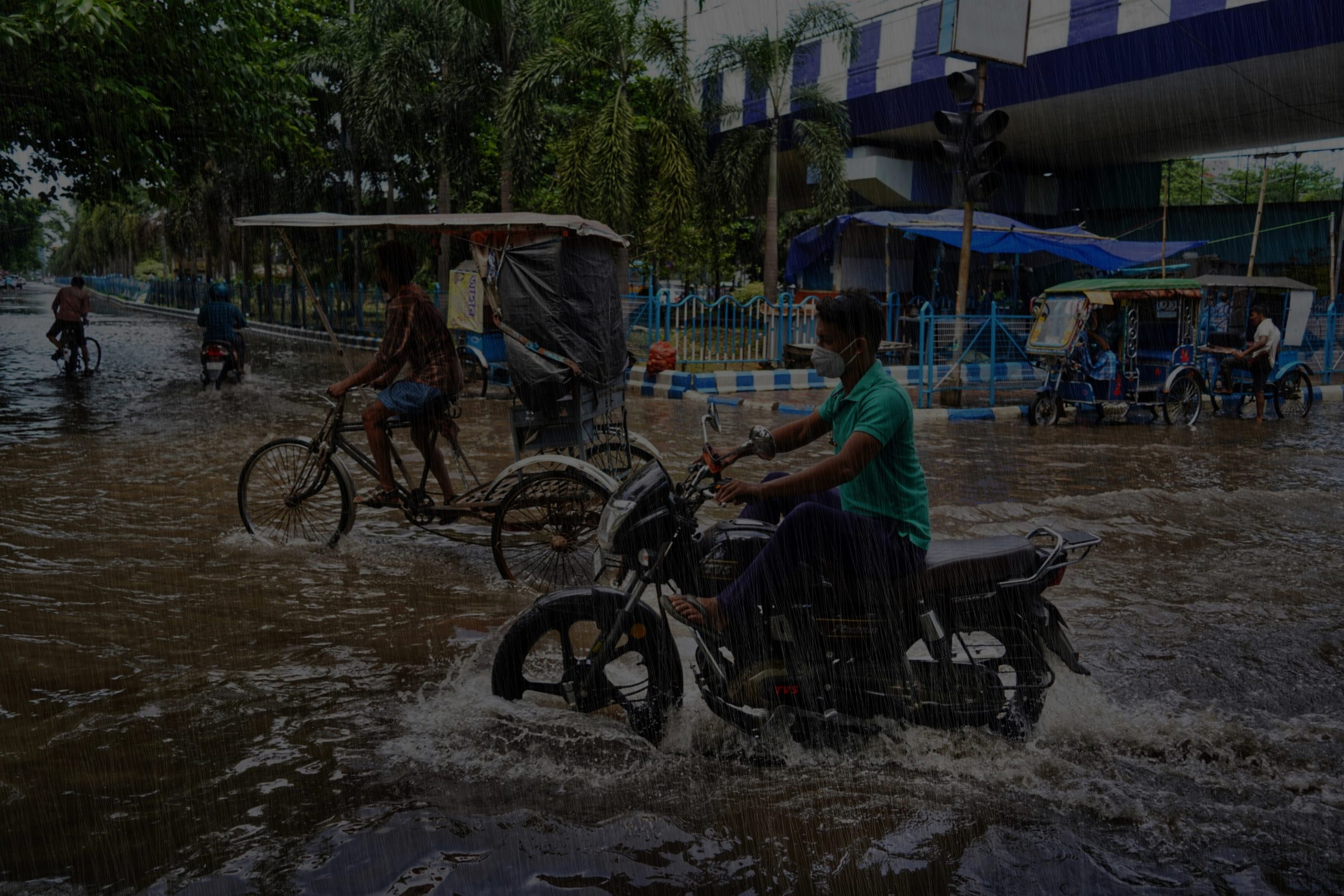
Climate disasters are intensifying yearly, with the heaviest burdens falling on communities least responsible for causing them. Countries facing crushing debt burdens are forced to prioritize creditor payments over essential climate adaptation and mitigation – a fundamental climate justice issue that undermines human rights and community resilience.
Traditional advocacy approaches often address climate and debt in isolation. TMP collaborates with leading academic, policy and financial experts to develop evidence-based solutions that support more effective advocacy and community-centered outcomes.
These include:

Justice-oriented data
Our climate models focus on near-term, localized extremes – not distant global averages – providing advocates with compelling evidence of how debt burdens and climate vulnerabilities combine to harm the most marginalized communities.

Advocacy frameworks
We’re developing analytical tools that help civil society organizations make stronger cases for debt relief and restructuring when climate impacts hit, supporting rights-based approaches to fiscal policy.

Community-centered solutions
For emerging markets, we’re building novel financial instruments to provide debt payment coverage to bondholders when climate impacts hit.
TMP’s work on the climate-debt nexus grew inevitably out of our efforts to address the systemic impacts of near-term climate risk. In 2024, we launched a project to demonstrate that climate change has serious near-term fiscal implications and explore how the most affected countries could respond.
The result is our Climate Sovereign Payment and Risk Coverage model, or CSPARC, a parametric insurance product that pairs TMP’s unique climate data with economic analyses to provide pre-arranged liquidity in response to agricultural drought. The model is now entering a multi-year pilot phase.
The climate and debt crises are converging. TMP is developing solutions to meet them head on. To learn more, or to speak about collaborating, get in touch with our team.
42%
Proportion of low-income countries are highly vulnerable to both climate change and increased debt distress
Source: UNCTAD
63
Number of countries that could experience climate-induced credit downgrades by 2030 under a high-emissions scenario
Source: Bennett Institute for Public Policy
30
Number of leading experts TMP interviewed to develop our CSPARC model



Get in touch
Ready to tackle complex challenges? Get in touch to explore how TMP can support your goals.